
How Do Corals Feed Themselves
How Do Corals Feed Themselves - In fact, some coral species have even developed. Corals may seem like homebodies, rooting themselves to the sea floor and swaying gently in the current to catch passing zooplankton. At the heart of these underwater wonderlands lies a fascinating and essential process: There are some special cases in which organisms have the. Almost all corals feed heavily on bacterioplankton. Here are the most common foods that corals.
Corals may seem like homebodies, rooting themselves to the sea floor and swaying gently in the current to catch passing zooplankton. Corals have been found to feed on specific species of red algae, which provide them with essential vitamins and minerals. However, there are various foods that corals also feed themselves into so that they can provide the nutrients that their body needs. The majority of corallivores feed on stony coral, however, a few species feed on soft coral. Yet some species are wanderers.
Do Corals Only Feed at Certain Times? REEF2REEF Saltwater and Reef
Yet some species are wanderers. They take it in themselves from the water, and they receive energy from algae that live in their polyps. Corals may seem like homebodies, rooting themselves to the sea floor and swaying gently in the current to catch passing zooplankton. The two processes happen at different times. However, there are various foods that corals also.

What do corals eat and how do I feed corals? The BRS/WWC System Ep15
This lesson is a part of the coral feeding unit, which explains what corals eat, how they feed, and additional ways that they obtain energy. Corals are communal animals related to sea anemones and jellyfish. At the heart of these underwater wonderlands lies a fascinating and essential process: Beyond fish, several invertebrate species are also known to feed on coral..

How to Target Feed Corals?
Corals may seem like homebodies, rooting themselves to the sea floor and swaying gently in the current to catch passing zooplankton. However, there are various foods that corals also feed themselves into so that they can provide the nutrients that their body needs. Like their cousins, they catch tiny animals (called zooplankton) using stinging tentacles that surround the single body..
/coral-aquarium-1318683_1920-5915fa4d5f9b586470aa1d3a.jpg)
What Do Corals Eat? They Need More Than a Lot of Light
Yet some species are wanderers. Like their cousins, they catch tiny animals (called zooplankton) using stinging tentacles that surround the single body. Almost all corals feed heavily on bacterioplankton. Corals are communal animals related to sea anemones and jellyfish. However, there are various foods that corals also feed themselves into so that they can provide the nutrients that their body.

How Corals Feed Explore Marine Biology
Corals have been found to feed on specific species of red algae, which provide them with essential vitamins and minerals. This lesson is a part of the coral feeding unit, which explains what corals eat, how they feed, and additional ways that they obtain energy. There are some special cases in which organisms have the. At the heart of these.
How Do Corals Feed Themselves - Corals are very diverse animals that require the ability to produce their own food and consume other organisms. Corals are communal animals related to sea anemones and jellyfish. Here are the most common foods that corals. They take it in themselves from the water, and they receive energy from algae that live in their polyps. Corals have been found to feed on specific species of red algae, which provide them with essential vitamins and minerals. In fact, some coral species have even developed.
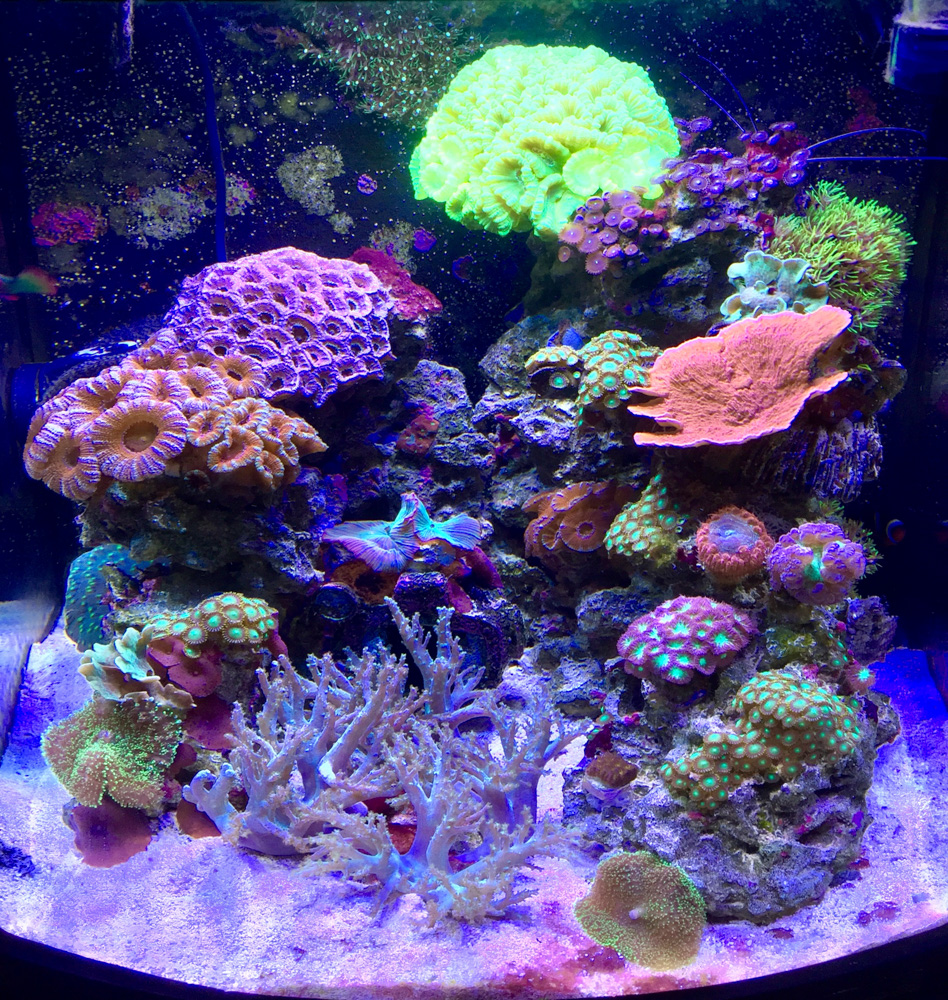
The majority of corallivores feed on stony coral, however, a few species feed on soft coral. Yet some species are wanderers. This post takes a look at how do coral reefs eat, what they eat and some essential feeding tips and method that every aquarium owner should know. Beyond fish, several invertebrate species are also known to feed on coral. So, if you are serious about maintaining a healthy reef tank with corals, it is important that you know how to feed corals, how much food they require, and what to feed.
At The Heart Of These Underwater Wonderlands Lies A Fascinating And Essential Process:
Yet some species are wanderers. Below is a summary of what is included in the entire. Corals get food from two sources: Corals may seem like homebodies, rooting themselves to the sea floor and swaying gently in the current to catch passing zooplankton.
Like Their Cousins, They Catch Tiny Animals (Called Zooplankton) Using Stinging Tentacles That Surround The Single Body.
This post takes a look at how do coral reefs eat, what they eat and some essential feeding tips and method that every aquarium owner should know. The two processes happen at different times. Almost all corals feed heavily on bacterioplankton. This lesson is a part of the coral feeding unit, which explains what corals eat, how they feed, and additional ways that they obtain energy.
[5] There Are No Known Obligate Soft Coral Feeder;
Corals have been found to feed on specific species of red algae, which provide them with essential vitamins and minerals. Corals are communal animals related to sea anemones and jellyfish. Corals are very diverse animals that require the ability to produce their own food and consume other organisms. However, there are various foods that corals also feed themselves into so that they can provide the nutrients that their body needs.
The Majority Of Corallivores Feed On Stony Coral, However, A Few Species Feed On Soft Coral.
There are some special cases in which organisms have the. So, if you are serious about maintaining a healthy reef tank with corals, it is important that you know how to feed corals, how much food they require, and what to feed. During feeding, these cilia beat toward the mouth and create a water current that traps these small organisms within the mucus and draws it into the mouth of the polyp. They take it in themselves from the water, and they receive energy from algae that live in their polyps.