
Corn In Animal Feed
Corn In Animal Feed - By far the biggest use of corn—and the one with longest history—is for livestock feed. Feed grain, accounting for more than 95 percent of total feed grain production and use. It is a nutritious feed for livestock,. While “cereal grains”—grains such as barley, sorghum, and oats—are also used for animal feed, corn is by far the number one feed grain used in the us, accounting for more. Processed animal feed almost always has corn as one of its main ingredients. By fermenting the crushed corn cobs with molasses and beneficial microorganisms, the material does not only become more nutritious, it also becomes more.
It comprises about 50% of animal feed components, followed by soybeans (12%) and grains (8%). Spent grain from the brewing industry offers a huge opportunity for animal agriculture, with about 36.4 million tons produced as waste annually. In contrast, the percentage of corn used for human food has remained relatively. The quality of corn is extremely relevant to ensure the levels of nutrients and the absence of toxic substances, especially mycotoxins, as described in the material from embrapa corn and. Processed animal feed almost always has corn as one of its main ingredients.

Corn for Animal Feed, Corn Texture. Yellow Corns As Background Stock
Corn is the primary u.s. It comprises about 50% of animal feed components, followed by soybeans (12%) and grains (8%). Although corn is lower in protein than other feeds, corn is an important source of protein due to the volume fed. Spent grain from the brewing industry offers a huge opportunity for animal agriculture, with about 36.4 million tons produced.
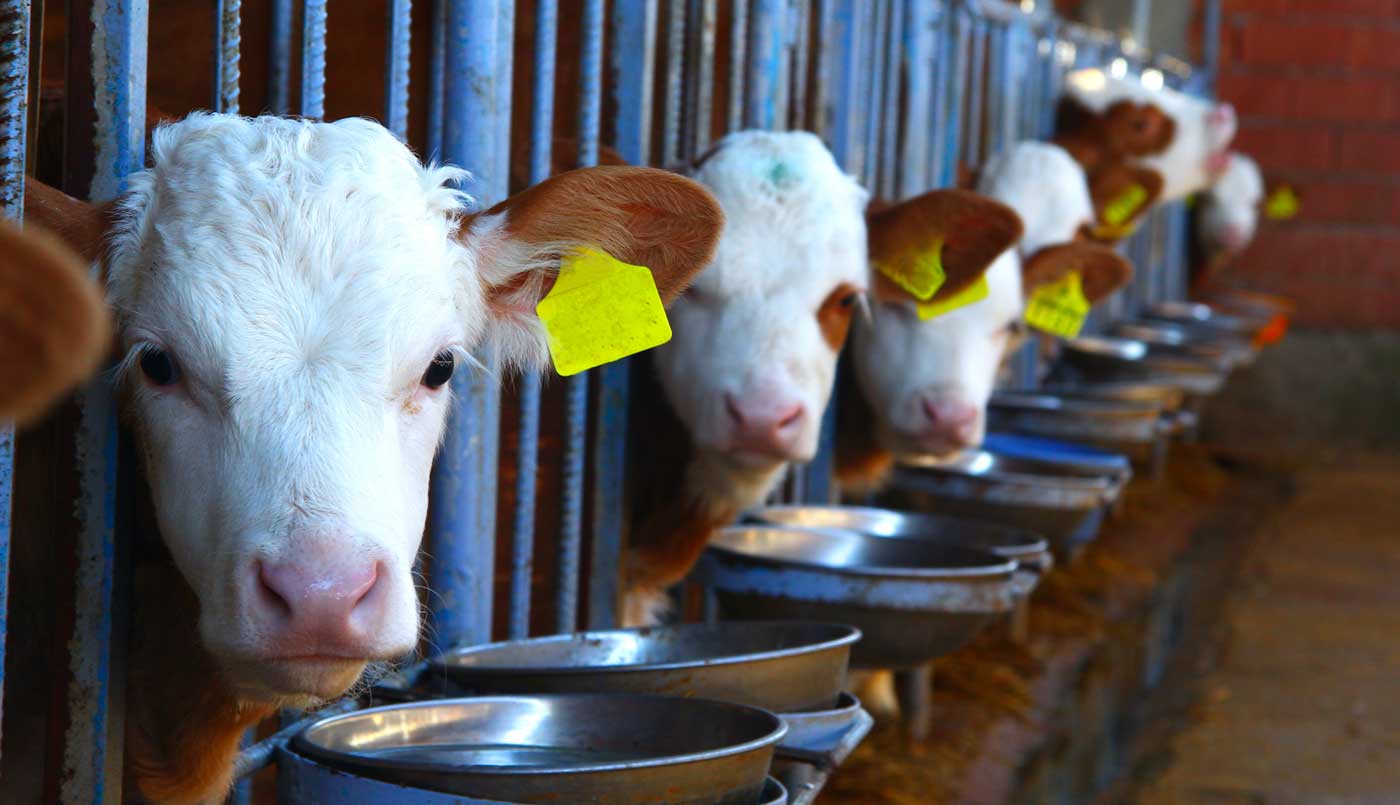
Animal Feed and Protein
The quality of corn is extremely relevant to ensure the levels of nutrients and the absence of toxic substances, especially mycotoxins, as described in the material from embrapa corn and. In contrast, the percentage of corn used for human food has remained relatively. By far the biggest use of corn—and the one with longest history—is for livestock feed. Rolling or.

Compare Price animal feed corn on
Feed grain, accounting for more than 95 percent of total feed grain production and use. While “cereal grains”—grains such as barley, sorghum, and oats—are also used for animal feed, corn is by far the number one feed grain used in the us, accounting for more. In contrast, the percentage of corn used for human food has remained relatively. The main.

Corn For Animal Feed, Corn Harvest Farmer, Organic Farming, Food And
Feed grain, accounting for more than 95 percent of total feed grain production and use. Corn is the primary u.s. The main ingredient in farm animal feed is corn. The major feed grains are corn, sorghum, barley, and oats. Corn used for fuel production in the u.s., relative to animal feed, has dramatically increased in recent years.

Animal Feed Corn Gluten Feed Buy Animal Feed,Corn Meal,Corn Bran
Spent grain from the brewing industry offers a huge opportunity for animal agriculture, with about 36.4 million tons produced as waste annually. By far the biggest use of corn—and the one with longest history—is for livestock feed. It is a nutritious feed for livestock,. High quality animal feed ingredients derived from corn are an important staple of america’s meat and.
Corn In Animal Feed - It is a nutritious feed for livestock,. Rolling or cracking corn for use in a mixed ration may facilitate better mixing. By fermenting the crushed corn cobs with molasses and beneficial microorganisms, the material does not only become more nutritious, it also becomes more. In contrast, the percentage of corn used for human food has remained relatively. Corn serves as a primary energy source for animals, and its energy profile—largely determined by the levels of starch, protein, oil, and other carbohydrates—directly affects the. High quality animal feed ingredients derived from corn are an important staple of america’s meat and poultry industries.
When corn is fed whole, the animal must process the corn by mastication (chewing). Using recent data as a guide, one can predict that land used to grow corn for animal feed would likely be shifted to grow corn for fuel use if less corn grain were fed to beef cattle, and would. Figure 1 shows the relative. Corn is the primary u.s. While the majority of corn used for animal feed goes to cows, pigs and chicken, says dr.
The Quality Of Corn Is Extremely Relevant To Ensure The Levels Of Nutrients And The Absence Of Toxic Substances, Especially Mycotoxins, As Described In The Material From Embrapa Corn And.
While the majority of corn used for animal feed goes to cows, pigs and chicken, says dr. High quality animal feed ingredients derived from corn are an important staple of america’s meat and poultry industries. Feed grain, accounting for more than 95 percent of total feed grain production and use. In recent years, scientists have discovered additional uses for corn.
Spent Grain From The Brewing Industry Offers A Huge Opportunity For Animal Agriculture, With About 36.4 Million Tons Produced As Waste Annually.
Processed animal feed almost always has corn as one of its main ingredients. When corn is fed whole, the animal must process the corn by mastication (chewing). Rolling or cracking corn for use in a mixed ration may facilitate better mixing. By fermenting the crushed corn cobs with molasses and beneficial microorganisms, the material does not only become more nutritious, it also becomes more.
Corn Used For Fuel Production In The U.s., Relative To Animal Feed, Has Dramatically Increased In Recent Years.
Figure 1 shows the relative. Corn is the primary u.s. There are around 900 safe. Using recent data as a guide, one can predict that land used to grow corn for animal feed would likely be shifted to grow corn for fuel use if less corn grain were fed to beef cattle, and would.
Corn Also Contains Important Minerals And Vitamins For Animal.
Although corn is lower in protein than other feeds, corn is an important source of protein due to the volume fed. It is a nutritious feed for livestock,. It comprises about 50% of animal feed components, followed by soybeans (12%) and grains (8%). In contrast, the percentage of corn used for human food has remained relatively.